Expert reputation management guides, review platform updates, and case studies from the team behind 15,000+ business reputations.

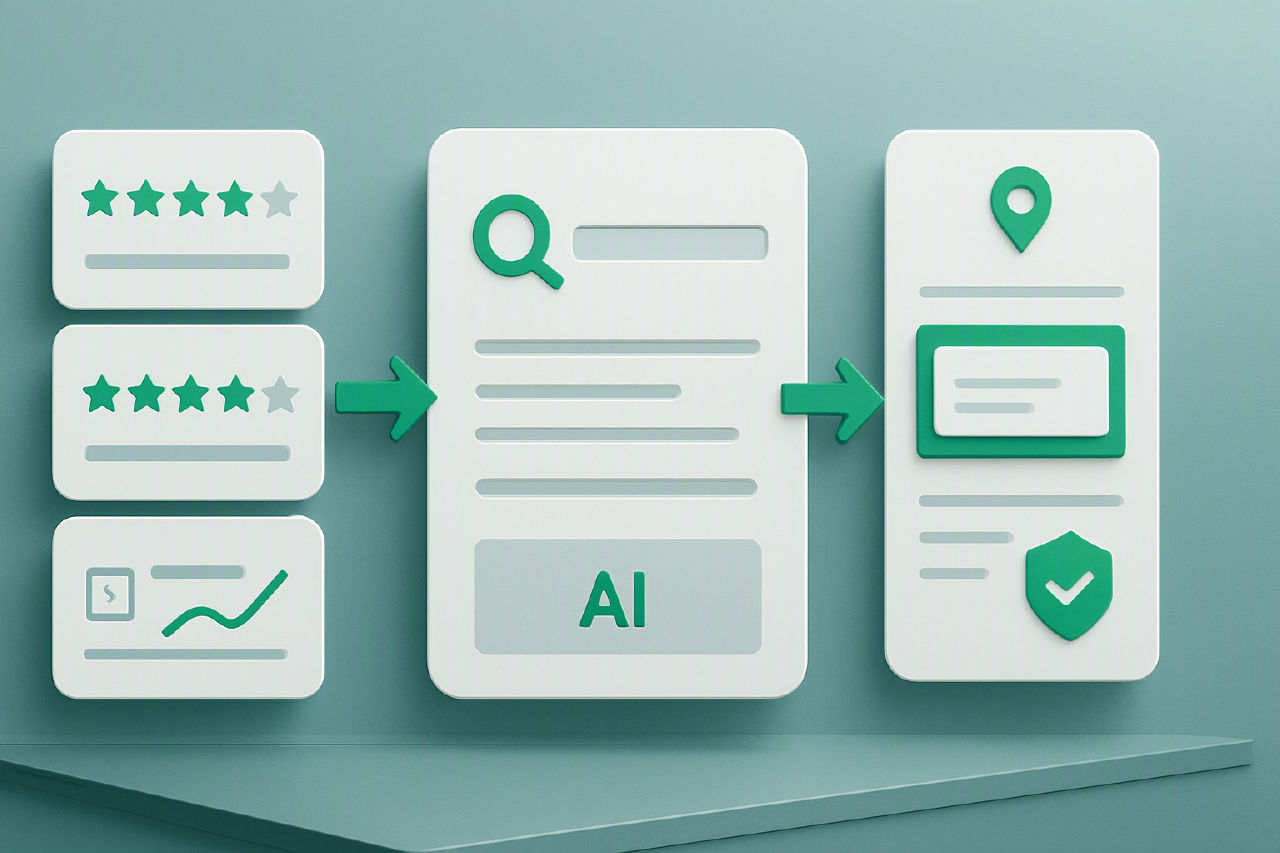
Capterra still matters, but the job has changed. In 2026, shortlist visibility, review recency and verified-user trust do more for lead quality than a big review count on its own.
AI search often decides attention before a user reaches the old list of blue links. If your reviews, Google Business Profile, and third-party citations conflict, the answer layer can weaken visibility even when rankings look steady.
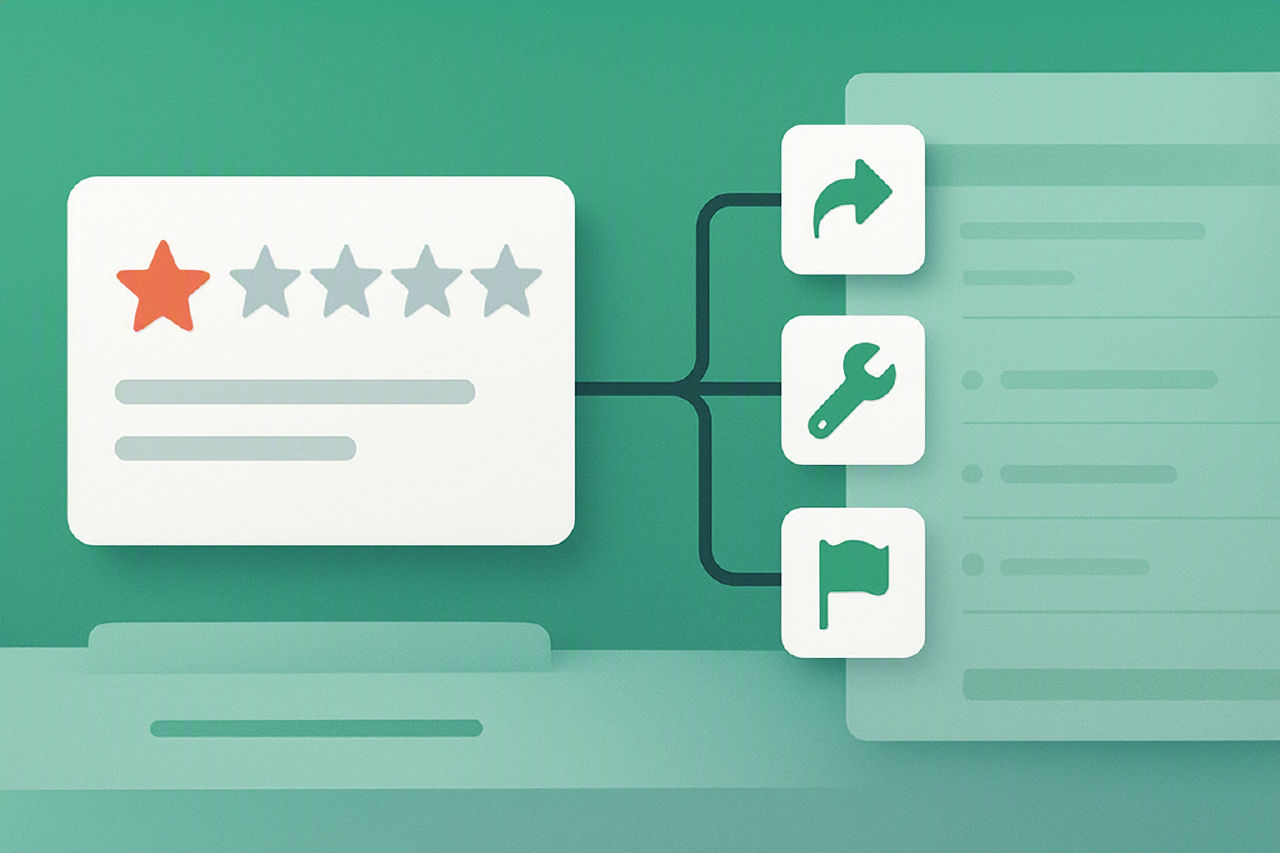
Bad reviews need triage before wording. This guide shows when to reply, when to recover offline, and when a Google or Trustpilot policy report has the better chance.
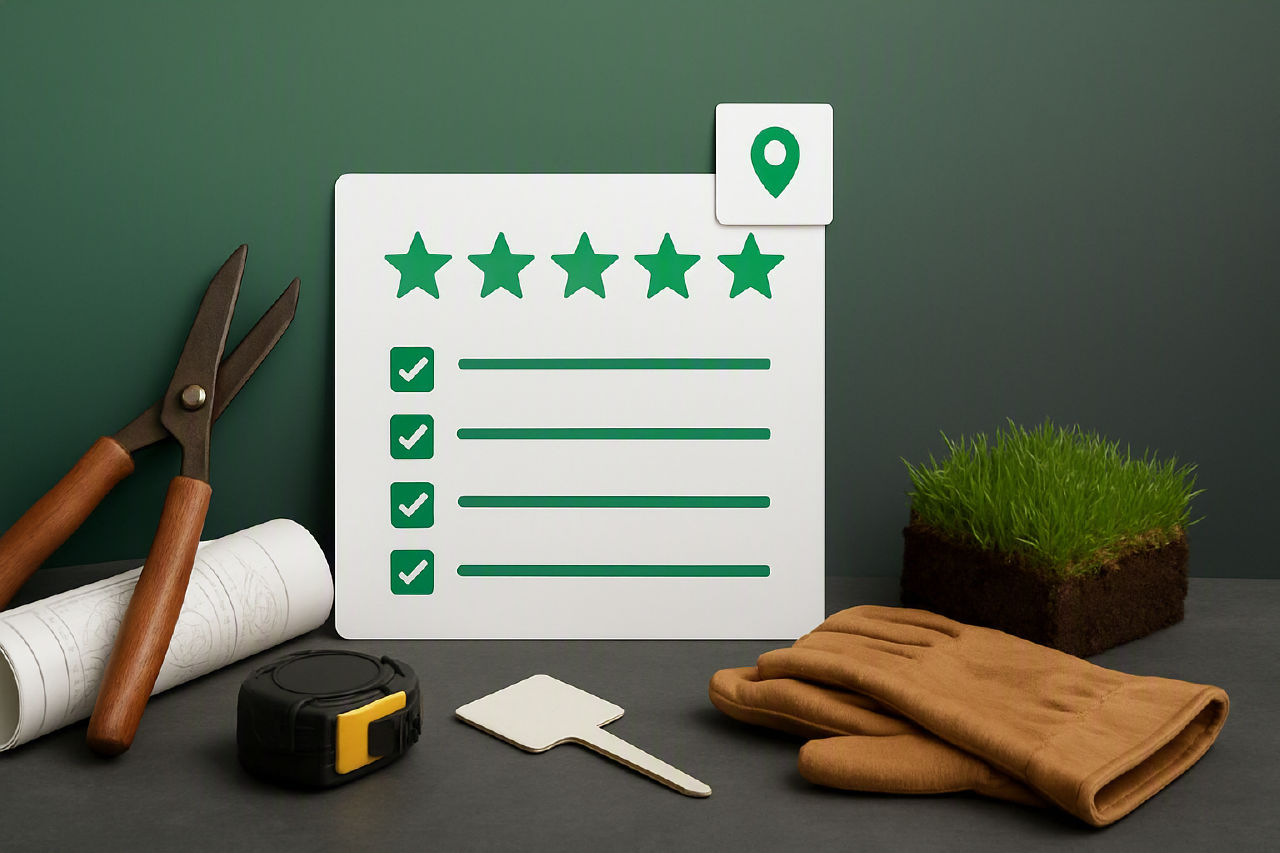
For landscapers, reviews usually improve map-pack clicks and estimate trust before rankings visibly change. The strongest setup is a same-day Google review ask tied to job completion, then one follow-up 24-72 hours later.
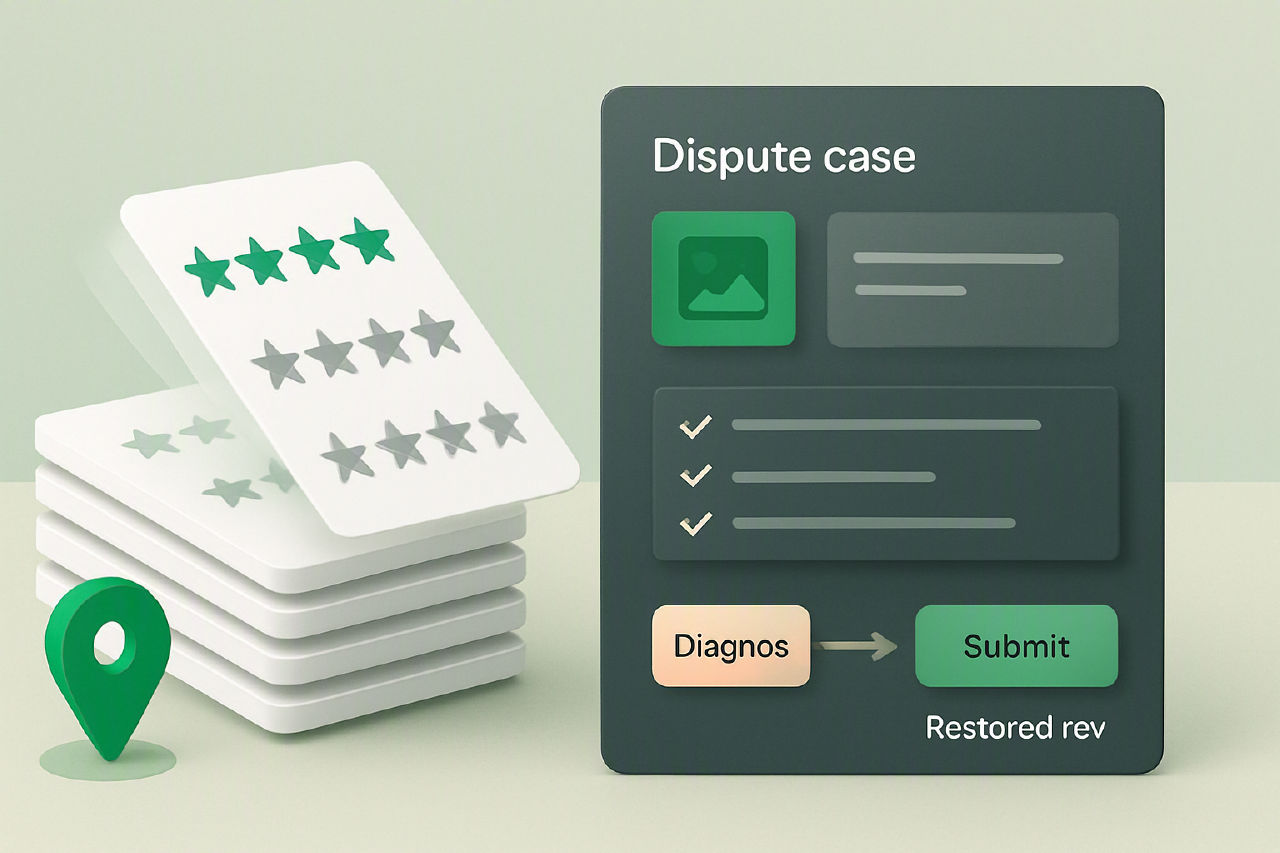
Google reviews usually disappear for five practical reasons, and each one needs a different fix. Start with the loss pattern, recent profile edits, duplicate listings, and the review URL before you contact support.
Most local search stat roundups blur visibility with conversion. These 47 numbers sort the work in the right order: fix your Google Business Profile, reviews and call paths before you spend on citation cleanup.
On Amazon, operational defects usually hit Buy Box access before public feedback does. This guide shows what to check in the first 24-72 hours, when removal is possible, and when fixing fulfilment is the cheaper move.
People trust review patterns more than perfect scores. Recent feedback, believable detail, visible replies and a natural rating spread usually beat a spotless 5.0 built on thin praise.
Dental reputation management works when you separate public replies from private follow-up, keep staff on one approved script, and only file removals under named policy grounds. The risky part is the public reply, not the complaint itself.
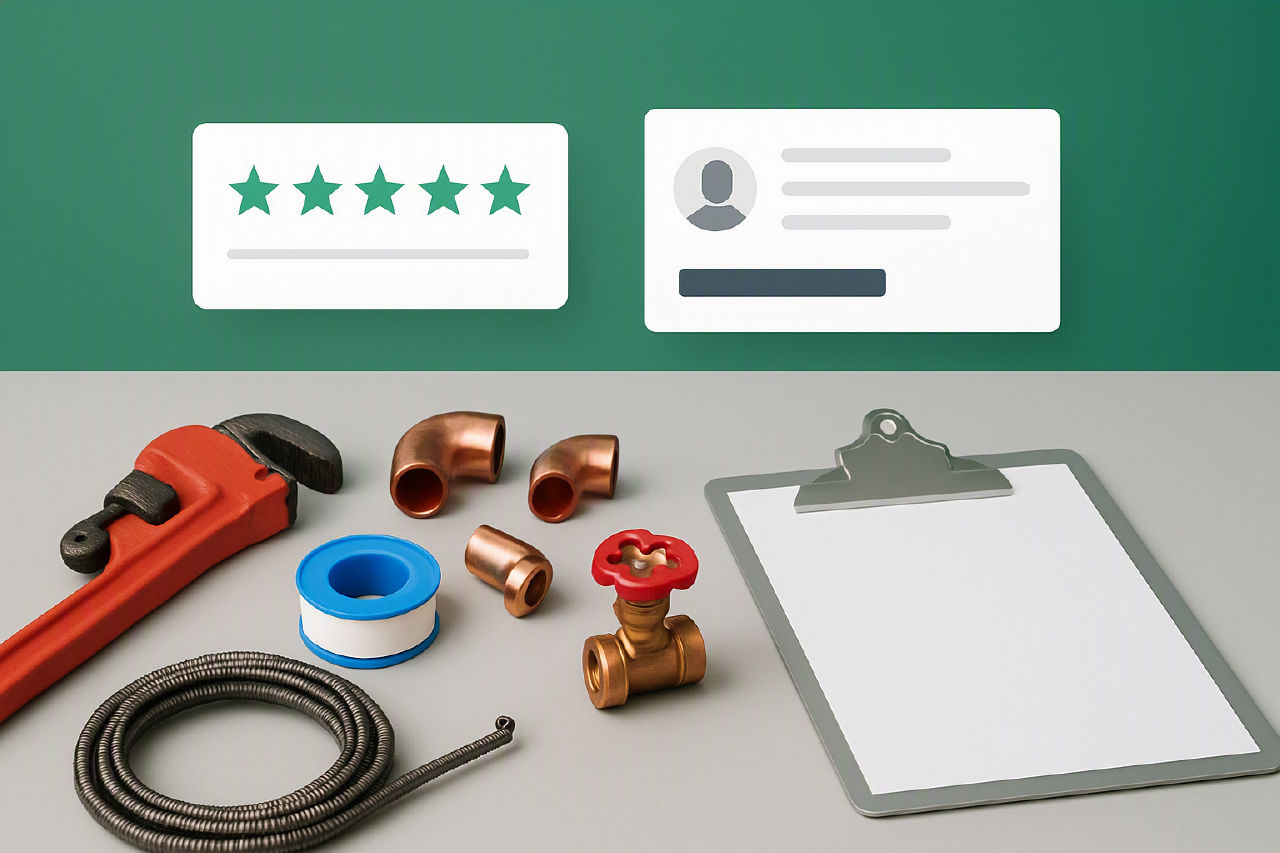
Plumbers usually win map-pack clicks on trust signals, not technical skill alone. This page shows when to ask, what to send, and how to handle fake or policy-breaking reviews without guessing.
Pay after success only protects you when success means the review link is actually gone. The useful details are the invoice trigger, exclusions, and what evidence Google, Trustpilot, or Yelp will accept.
Platforms rarely judge one red flag alone. Fake-review filters score timing, wording, account quality, device overlap and rating patterns together, then decide whether to demote, hold or remove reviews.
ChatGPT Search rewards pages and brands that are easy to verify, not pages that just target another keyword. Clean entity signals, crawlable pages and current reviews usually move visibility faster than publishing more blog posts.
For restaurants, reputation management works best as a daily operating system, not a branding task. The fastest gains usually come from 24-hour replies, cleaner recent reviews, and tighter escalation on fake or abusive posts.
Executive reputation is mostly a page-one search problem. Audit the 10 results people actually see, fix identity errors first, and treat removals, profiles, and review sentiment as one workflow.
Showing 136-150 of 219 articles