Expert reputation management guides, review platform updates, and case studies from the team behind 15,000+ business reputations.

Google Maps rankings usually move after you fix category fit, profile accuracy, review velocity and the matching landing page. This guide focuses on the 30-90 day changes that tend to matter before slow, expensive SEO work.
Glassdoor's 2026 update pushes verified employment, recency, and reply quality to the top of its ranking model. Here is what changed and how to protect your rating.
Keyword research is broken for AI search. Prompt research maps the full-sentence questions users ask ChatGPT, Perplexity, and Google AI Overviews - then engineers pages that get cited. Here is the full operational playbook.
Getting into the Google local pack usually comes down to fixing relevance first, then cleaning duplicate and trust issues before chasing reviews or citations. A complete profile helps, but the right primary category and steady recent reviews move faster.
Google review removal can take a few days or several weeks, and the delay usually comes down to the violation category and the proof you submit. This page shows when a DIY flag is enough and when a paid escalation at $449 per removed link makes sense.
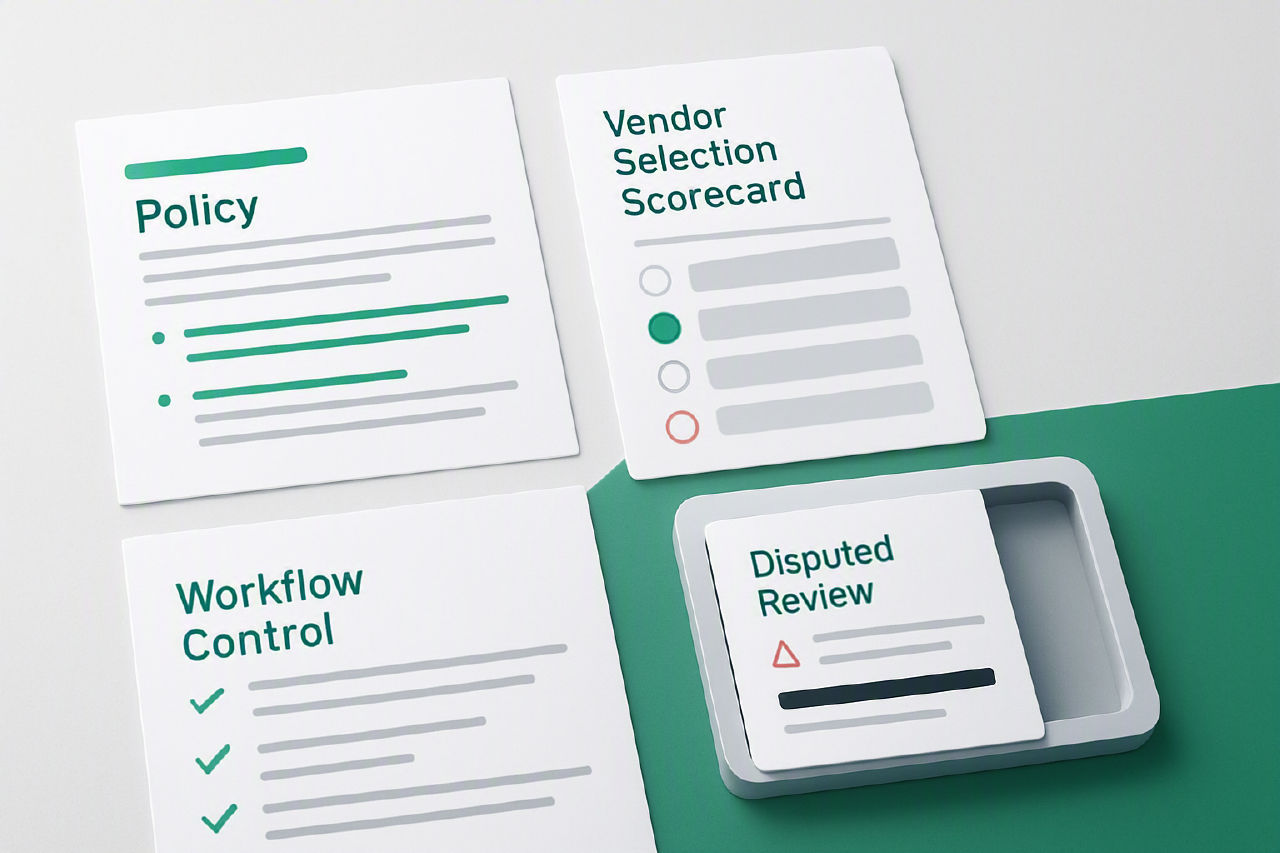
The FTC’s fake review rule has been live since October 2024, but most 2026 risk still starts in routine review requests. This page turns the rule into a vendor-audit and cleanup checklist you can actually use.
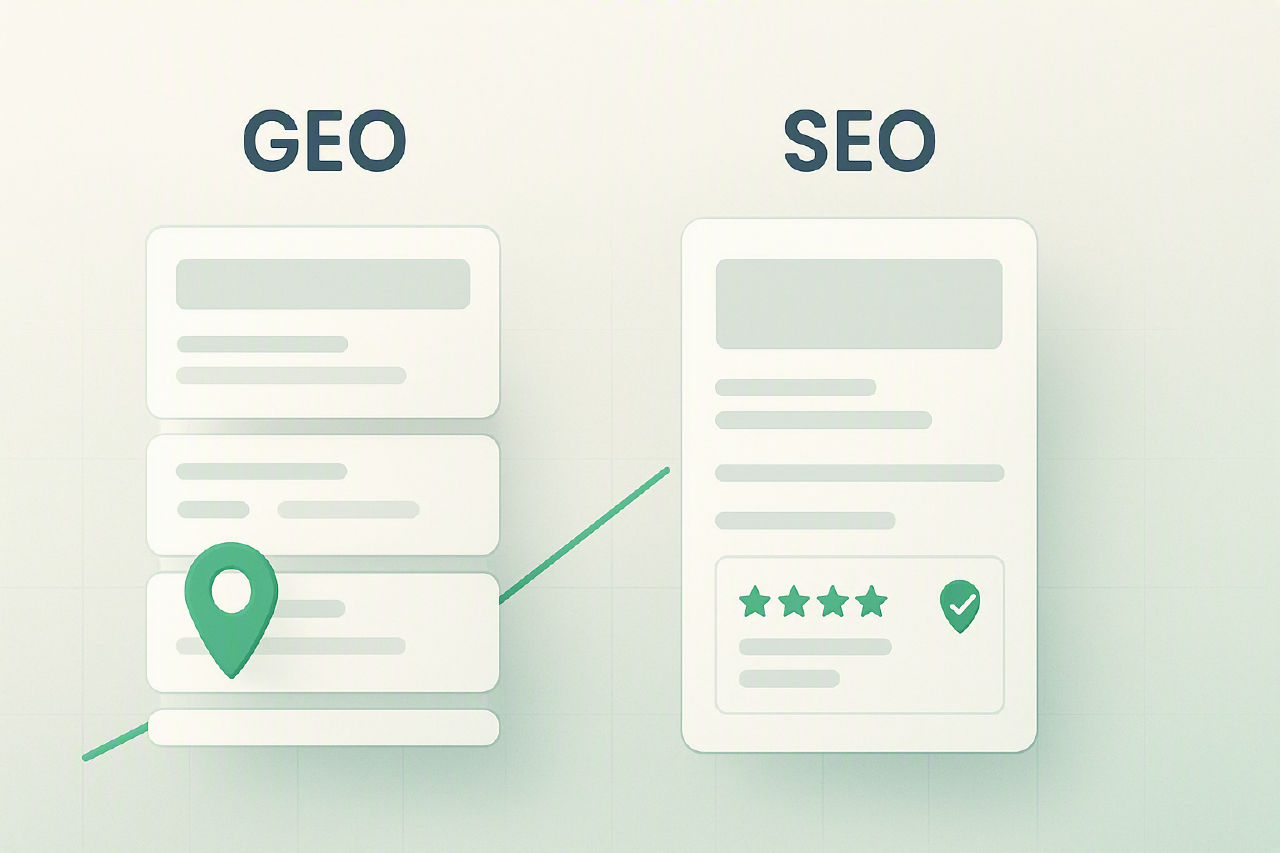
GEO is about getting cited inside AI answers, while SEO is still about rankings and clicks. For most local businesses, the winning move is to keep SEO and layer GEO on top of it.
For most dealerships, reputation gains come from faster response routing, cleaner review requests, and stronger evidence on false-review disputes. Sales and service need different workflows because buyers read their risk differently.
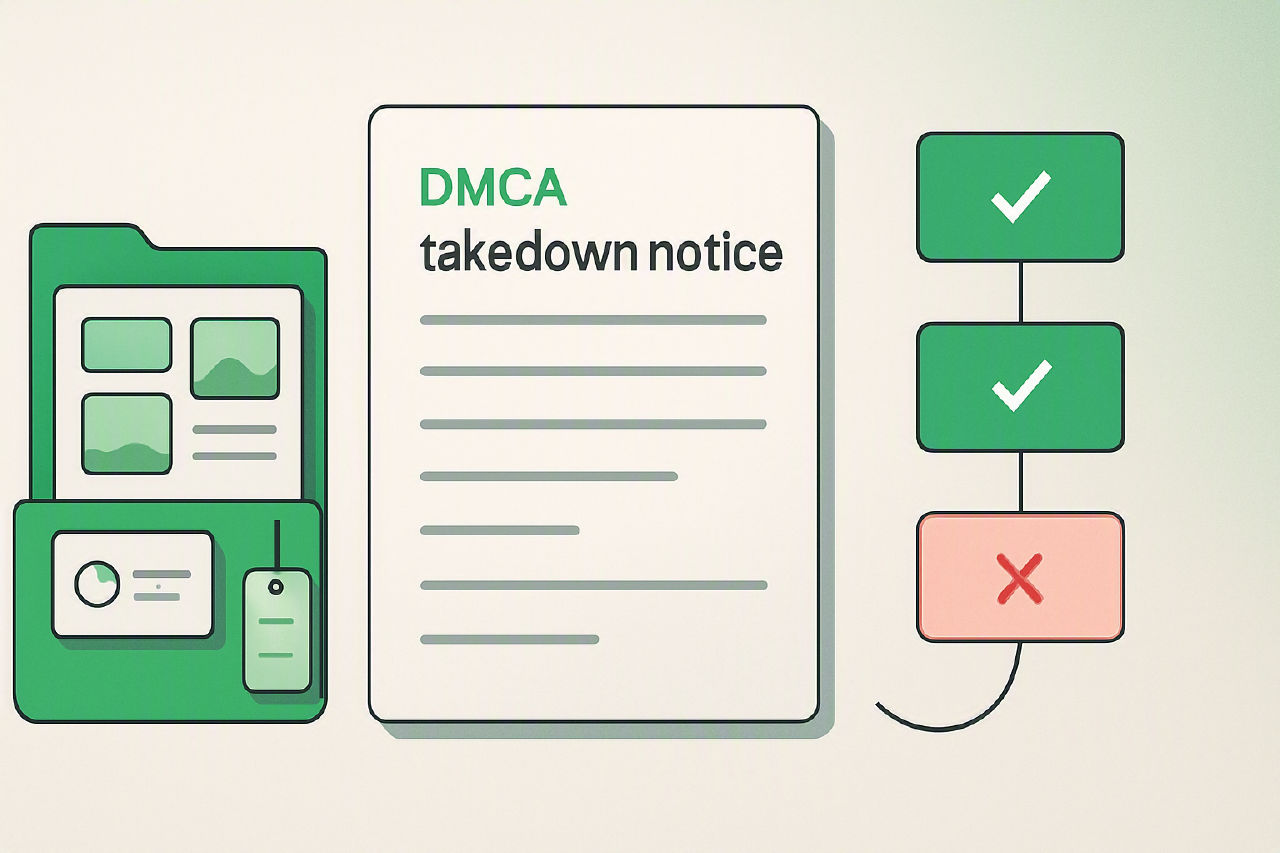
A DMCA takedown notice works when you send it to the service that controls the copied file and include every required element. Exact URLs, side-by-side proof, and ownership evidence matter more than angry wording.
Most chiropractor reputation problems start in clinic operations, not branding. The fastest gains usually come from fresher reviews, HIPAA-safe replies, tighter Google Business Profile setup, and stronger evidence when a review breaks policy.
G2 still matters in 2026, but the easy wins are gone. Review approval now leans on reviewer authenticity, disclosure, timing and detail, so weak campaigns stall fast.
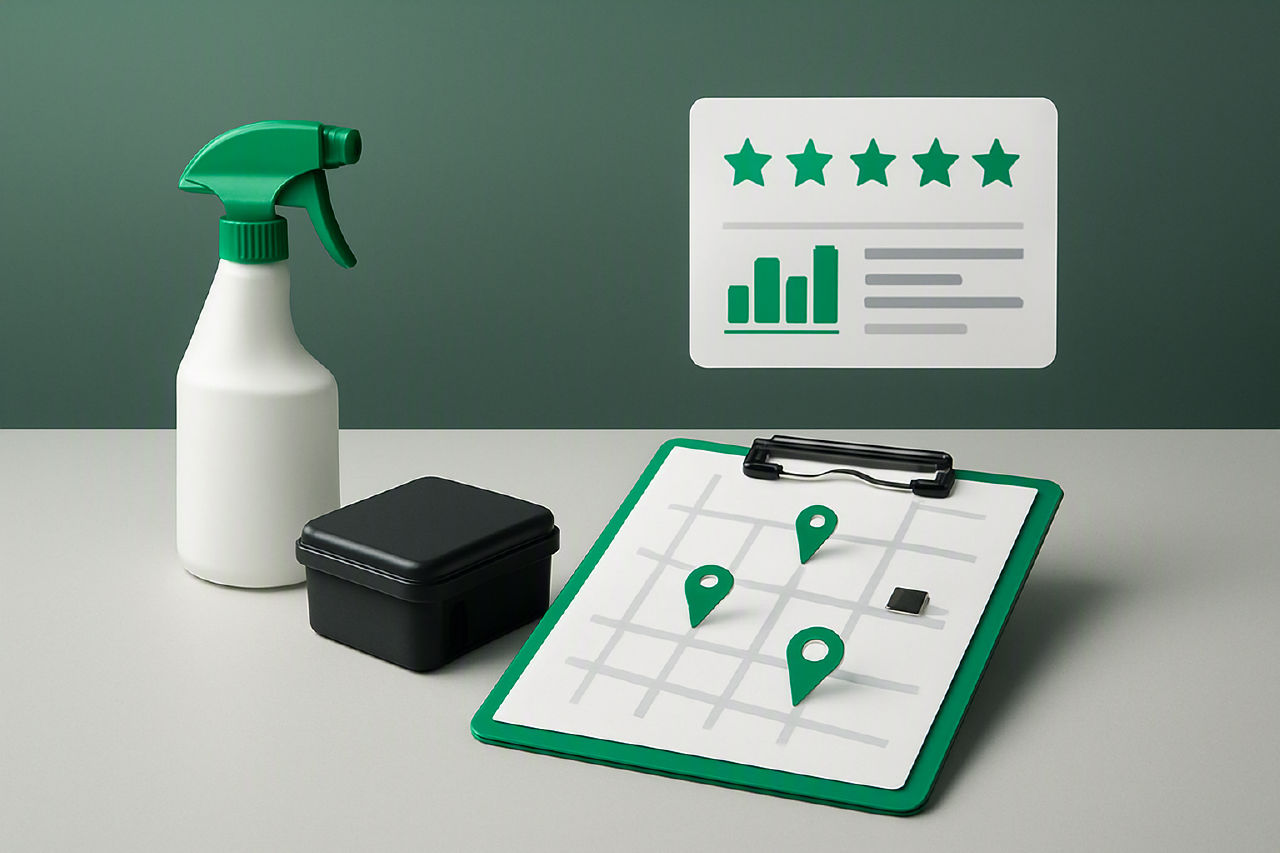
For pest control companies, the fastest reputation wins usually come from tighter review timing, faster replies, and policy-based removal attempts. This guide focuses on the fixes that move calls, inspections, and recurring service.
The best review request email is short, personal and built around one action: click a direct review link and leave an honest review. Timing, platform rules and the right link matter more than clever copy.
Verified reviews do not mean the same thing on Google, Trustpilot, Yelp, and retail platforms. This page shows which proof matters, when to ask, and how to collect reviews without gating or weak audit trails.
Local SEO still drives calls and bookings in 2026, but the first fixes are usually inside your Google Business Profile. This piece focuses on the numbers tied to map-pack clicks, review recency, profile accuracy and lead actions.
Showing 106-120 of 219 articles