

Quick answer
TripAdvisor’s 2026 update left the core ranking signals in place: review quality, review recency, review volume, listing completeness and user engagement still drive visibility. The real shift is sharper separation between active and neglected profiles, so listings with stale photos, old amenity data and weeks without fresh genuine reviews now lose ground faster. Better rank usually comes from recent legitimate review flow, accurate profile data and consistent owner responses. TripAdvisor still moderates suspicious content under its review and fraud rules, and no agency can legitimately guarantee a TripAdvisor ranking position.
BGR Review has worked on review operations since 2019 across Google, Trustpilot, Yelp, Clutch and TripAdvisor, serving 15,000+ businesses from offices in New York, London and Thornhill. The practical gap most guides miss is process: a weak fake-review report usually fails because “this is fake” is not evidence, while booking proof, visit-date mismatch and staff records give moderators something they can actually test.
We also sell TripAdvisor review support and review-removal help where platform rules allow action, so the commercial interest is clear. That is exactly why this page draws a hard line between DIY fixes, legitimate managed review flow, and cases where paid help will not change the outcome.
What actually changed on TripAdvisor in 2026
TripAdvisor’s 2026 update changed how listings are presented and managed, but the core popularity logic still tracks review quality, recency and quantity rather than a confirmed new scoring model.
That distinction matters. TripAdvisor’s owner-facing materials and help resources have reflected product and visibility changes through 2026, yet they have not published a new formula that replaces the long-standing Popularity Ranking approach. If you see claims about a secret weighting overhaul with fixed percentages, treat them as speculation unless they point to a named TripAdvisor owner resource. In our work since 2019, those claims usually come from rank-tracking chatter, not platform documentation.
The businesses that felt the shift hardest were already vulnerable: hotels, restaurants and attractions in tight local markets with thin recent review flow, outdated photos or stale listing details. A strong profile often absorbed the interface changes. A stale one slipped faster, especially after long gaps between new legitimate reviews.
The hard limit stays the same. No agency, including BGR Review, can promise you a fixed TripAdvisor position, and any offer framed as guaranteed top-3 placement is a risk. That crosses from optimisation into manipulation claims, which no serious provider should make. If you need review support, keep the promises grounded: BGR Review sells compliant review growth packages with a 30-day free replacement guarantee, and review removals run on a pay-after-success model at $449 per removed link with $0 upfront.
How TripAdvisor rankings still work after the update
TripAdvisor popularity ranking is the platform’s relative order of businesses within the same location and category, and it still leans on three core review signals after the 2026 update: quality, recency and quantity.
That means your hotel, restaurant, tour or attraction is judged against nearby peers, not against every listing on TripAdvisor. A strong review average helps, but the platform has never ranked on star score alone. If two listings look similar, the one collecting fresh, legitimate feedback usually has the easier path to hold or gain position.
Recency is where owners misread ranking movement. A listing with years of solid reviews can still drift down if a competitor across town collects newer verified-looking feedback over the last 30 to 90 days while your page stays quiet. Since 2019, our team has had to explain this pattern repeatedly to owners who thought a single profile edit or one bad review caused the drop, when the real issue was stale review flow.
Listing health matters more than most TripAdvisor guides admit because it changes how users behave on the page. Complete amenities, the right category, accurate opening hours, current photos and active owner responses all improve the chance that a visitor clicks, compares and converts. If your page still shows old facilities or missing details after the 2026 product changes, you make it easier for a cleaner competitor profile to outrank you.
Paid products sit beside this system, not inside it. Sponsored placements can buy visibility in search and category pages, but they do not rewrite your underlying popularity ranking. That distinction matters if you are weighing ad spend against profile maintenance or review operations support from a provider like BGR Review, which has worked with 15,000+ businesses since 2019 from New York, London and Thornhill.
The ranking factors owners can actually influence
The TripAdvisor ranking factors you can actually influence are fresh legitimate reviews, fast specific owner responses, and a complete, current listing that gives people fewer reasons to drop off.
Fresh reviews usually give you the biggest lift because they affect recency and conversion at the same time. A steady flow of genuine post-stay or post-visit feedback helps more than a short burst followed by silence, and that is where owners misjudge the platform. If you sell review support, as BGR Review does across TripAdvisor and other platforms, the line is simple: ask real customers, never incentivise, and avoid any pattern that could breach TripAdvisor rules or the FTC’s endorsement guidance.
Owner responses matter when they look like active management rather than a monthly clean-up job. A reply within 2 to 5 days that mentions the actual stay, dish, tour, room type or service issue sends a stronger trust signal than 20 generic “thank you for your feedback” responses pasted on the last day of the month. That difference shows up first in click and booking behaviour, then in ranking stability.
Profile completeness gets ignored because it feels administrative, but stale listing data drags performance before you see a rank drop. Missing room types, an old menu PDF, a broken booking link, winter photos in July, or closed-hour information all reduce trust. We often tell clients to fix those items before they spend anything, because no review package with a 30-day free replacement guarantee can compensate for a profile that looks abandoned.
| Factor | Expected impact | Effort |
|---|---|---|
| Review recency | High; affects freshness and conversion | Medium; build weekly request flow |
| Review volume | Medium to high; helps if growth is steady | Medium |
| Profile completeness | High; improves engagement fast | Low to medium |
| Owner responses | Medium; strongest when posted within days | Low |
| Media freshness | Medium; supports clicks and trust | Low |
What does not help your TripAdvisor ranking
TripAdvisor ranking usually does not improve from shortcuts, and some common tactics create moderation and legal risk that leaves your listing weaker than before.
Buying obvious fake reviews, using review farms, or offering travellers rewards that breach TripAdvisor rules can trigger trust problems around the review stream itself. That matters more than owners think. A burst of low-quality posts may lift count for a moment, then leave you with filtered reviews, reduced credibility, or a listing that looks manipulated when support reviews it. We sell review support at BGR Review, but the workable version is verified, policy-aware review acquisition, not fake volume for the sake of volume.
One-off profile edits rarely move rank in a durable way. Changing your description, adding a few photos, or tweaking categories can cause a short fluctuation, then the position settles back because review recency, rating quality and listing health still do the heavy lifting. Owners often read that wobble as an algorithm breakthrough when it was only a temporary recalculation.
Bulk, templated owner responses help very little. A page full of near-identical replies looks scripted, and travellers spot that fast. Compliance matters too: review activity must fit the FTC’s endorsement rules in the US and the UK crackdown on fake reviews under the DMCC Act framework. If a tactic would look bad in an investigation, skip it.
How reviews influence visibility more than most guides admit
TripAdvisor reviews shape visibility at three points at once: ranking movement, click-through from category pages, and conversion when a traveller compares you with the two or three nearby listings beside you.

Star score gets the attention, but recency often decides the click. A 4.6 listing with fresh comments from the last 7 to 30 days can beat a 4.8 listing whose latest review is four months old, because the newer page looks active, trusted and current at the moment a traveller chooses where to book, eat or visit. That pattern shows up repeatedly on live hotel, restaurant and attraction pages, especially in dense local categories where several options sit within a narrow rating band.
| Listing | Rating | Latest review | Likely outcome |
|---|---|---|---|
| Property A | 4.8 | 4 months ago | Strong score, weaker trust signal on freshness |
| Property B | 4.6 | 6 days ago, with steady recent flow | Often wins more clicks and bookings |
Delivery pacing matters here. On any review platform, including TripAdvisor, a sudden burst that does not match your normal demand pattern draws more scrutiny than a drip-fed flow that mirrors real guest volume across weekdays, weekends and seasonal peaks. BGR Review has worked on review operations since 2019, and the safer pattern is always consistency, not spikes.
If you want the practical takeaway, stop treating reviews as a one-off ratings fix. Recent, legitimate review flow makes your listing look maintained, gives new travellers fresher proof, and helps you compete against nearby alternatives long before they reach your website.
What happens when you flag a suspicious TripAdvisor review
Flagging a suspicious TripAdvisor review starts a policy check, and the outcome usually turns on specific evidence attached to the report rather than how forcefully you say the review is fake.
TripAdvisor gives owners a route to report content that appears to breach its review guidelines, but the platform looks for proof tied to the exact issue you claim. If you say the reviewer never stayed, the useful evidence is dated booking records, shift logs, CCTV timing where available, payment traces, or clear proof the writer described another property. A long complaint with no visit date, no booking reference and no staff note rarely moves the case.
The weak reports fail fast. The pattern we see most often is an owner writing “we never had this guest” and leaving it there, even though the review mentions a rough date, a room type or a staff interaction that TripAdvisor expects you to rebut with records. Broad claims usually stall because the moderator cannot tie your objection to a verifiable mismatch, and cases also drift when the business has thin documentation for walk-ins, tour groups or restaurant covers.
TripAdvisor may acknowledge a report quickly, sometimes the same day, but resolution often takes several days and can run longer when queue volume is high or the evidence needs a second look. Same-day removal happens, but you should treat it as the exception. If the review is harsh yet reflects a real stay or visit and does not breach TripAdvisor policy, removal is unlikely.
That is where owners waste time. A factual management response is usually the better move: correct any false point you can prove, avoid accusing the guest of lying, and show the next reader what you fixed. BGR Review handles review removal work across platforms on a pay-after-success basis at $449 per removed link with $0 upfront, but TripAdvisor cases still depend on policy grounds and evidence, not on paying someone to object more loudly.
Why listings drop after an update even when nothing looks wrong
A TripAdvisor ranking drop after a 2026 update usually means your listing became less competitive, not that TripAdvisor applied a visible penalty.
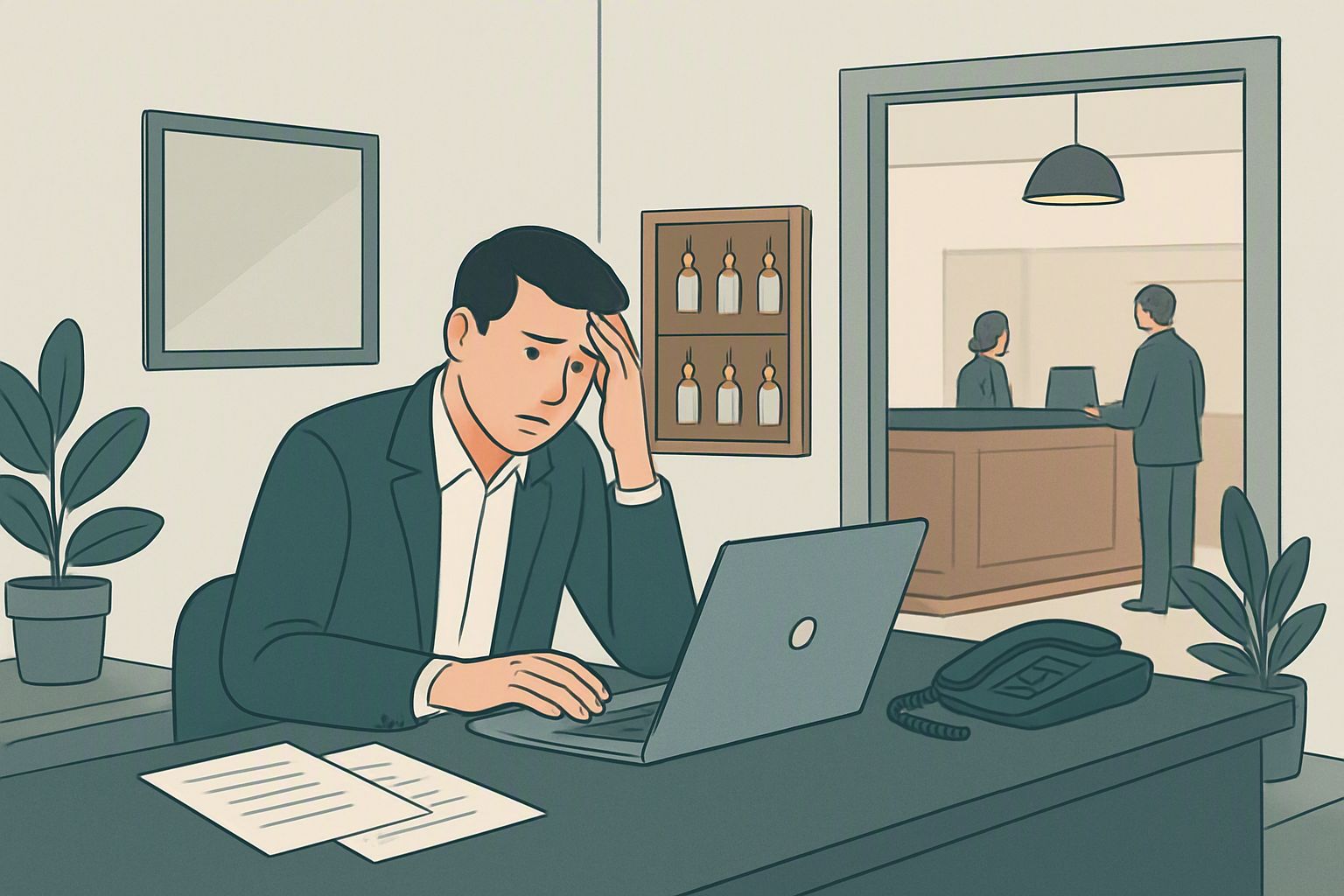
Your position can fall with no warning message because the platform reorders nearby options against each other all the time. If two or three competitors picked up fresh reviews over the last 2-4 weeks, added stronger photos, or kept owner responses moving while your profile stayed still, they can pass you without any enforcement action on your account.
Stale listing data causes a lot of these declines. Old opening hours, outdated amenities, thin photo coverage, missing menu or booking links, and neglected owner responses all reduce engagement signals on the page. TripAdvisor does not need to tell you anything is wrong for that to hurt clicks and relative position.
We see the same pattern repeatedly in live review operations: a listing softens after several weeks with no new legitimate review activity and no profile maintenance, then steadies only when fresh genuine reviews start landing again and the profile is cleaned up across media, amenities and links. One-off edits rarely reverse the drop on their own. The recovery is usually gradual.
| Symptom | Likely cause |
|---|---|
| Sudden drop | Competitors gained recent reviews, new photos or faster response activity |
| Slow decline | Stale profile data, weak review recency, neglected listing maintenance |
| Visibility holds but clicks fall | Poor media, outdated amenities, weak booking or menu links |
| Rank stays similar but conversion weakens | Recent reviews are thin, mixed or less persuasive than nearby alternatives |
How to improve your TripAdvisor position without breaking policy
You improve your TripAdvisor position by increasing legitimate review recency, keeping listing data current and making owner responses useful to the next person who reads them.
Ask every real guest for feedback after the stay or visit. Use the same post-stay or post-visit follow-up across your whole customer base, not a filtered list of happy tables, easy tours or guests who already praised you in person. That matters for policy and for ranking stability. Selective outreach skews review velocity, creates avoidable complaints and can drift into endorsement risk under the FTC Endorsement Guides and the UK fake review rules enforced by the CMA.
Give your profile a 30-minute check once a month. Confirm hours, amenities, menu or room details, booking links and recent photos. A stale phone number, dead booking URL or winter menu in July will not trigger a dramatic penalty on its own, but neglected fields often line up with the slow slide patterns we see before owners call us at BGR Review for help with TripAdvisor review support and profile recovery work.
Answer negative reviews for conversion first. Use verifiable facts, correct obvious errors calmly and give a next step such as an email address or manager contact. Defensive point-scoring usually keeps the dispute alive on the page. If the review may breach platform rules, collect visit records first; broad rebuttals without proof rarely help on the moderation side either.
| Week | Action | What to check |
|---|---|---|
| Week 1 | Send review requests | Use one compliant follow-up for all real guests from the last 7 days |
| Week 2 | Audit listing data | Hours, amenities, menu or room info, contact details, booking links |
| Week 3 | Upload current photos | Entrance, rooms or dishes, team, seasonal updates, dated visuals removed |
| Week 4 | Review owner responses | Fix defensive replies, add factual corrections, include a clear contact step |
If you need outside help, keep the line clear. BGR Review sells verified review support and negative review removal across major platforms, but no agency can promise a specific TripAdvisor rank position. Where content clearly breaches rules, our removal work on other platforms runs on a pay-after-success basis at $449 per removed link with $0 upfront, and our review packages carry a 30-day free replacement guarantee.
TripAdvisor ads, sponsored placements and organic rank
TripAdvisor sponsored placements buy extra visibility, but they do not directly move your organic popularity ranking.
That distinction matters because owners often read a traffic lift as a ranking win. It is not. Paid exposure can put your hotel, restaurant or tour in front of more travellers straight away, while organic position still depends on the usual listing signals: recent review flow, profile completeness, category fit and whether the page converts once someone lands on it.
If your page is stale, ads usually waste money. Sending paid clicks to a listing with thin photos, old management responses and weak recent reviews tends to amplify the problem, because you pay for visits before the page is ready to convert. The better sequence for most operators is simple: clean up the listing first, rebuild review recency second, then add paid media once the profile is doing its job.
| Method | Speed | Cost control | Durability and dependency |
|---|---|---|---|
| Sponsored placements | Immediate once the campaign is live | High, because spend can be raised, cut or paused | Stops when spend stops; heavily dependent on listing quality |
| Organic optimisation | Slower, usually weeks rather than one launch day | Indirect, through staff time and review operations | More durable; still depends on review recency and profile maintenance |
BGR Review has run into this sequencing issue repeatedly since 2019 while helping operators with review recency and profile repair across New York, London and Thornhill. If you want outside help, use it for compliant review operations and listing clean-up first; paid review manipulation is against platform rules, and no agency can honestly guarantee an organic rank jump from ad spend alone.
TripAdvisor management mistakes that slow growth
The TripAdvisor mistakes that slow growth are usually maintenance failures: stale responses, stale photos, uneven review flow and no single owner for the listing.
Leaving owner responses untouched for months makes your profile look unattended. That lands badly when complaints mention basics such as cleanliness, slow service, check-in delays or staff conduct and nobody answers with a fix. TripAdvisor does not reward a dead profile, and from our review operations work since 2019, neglected response histories often sit alongside weaker conversion because travellers read silence as indifference.
Old photos do damage quietly. A polished gallery from two seasons ago can hurt more than a plain but current set if your rooms, menu, terrace or facilities now look different in person. Travellers notice the mismatch fast, then the listing loses trust before the booking click.
Review velocity gets misread all the time. A small stream of believable, recent reviews usually helps more than a sudden burst after weeks of nothing, especially if the language, timing or reviewer profiles look clustered. If you use outside help, the safe brief is compliance and pacing, not volume at any cost; BGR Review only works with verified review packages and backs them with a 30-day free replacement guarantee, not rank guarantees.
Shared access without ownership creates stale data. Give one named person a monthly TripAdvisor check covering hours, amenities, photos, responses and contact details, even if marketing, front desk and operations all touch the account. Large teams drift when nobody owns the final pass.
When a TripAdvisor review service helps and when DIY is enough
A TripAdvisor review service helps when your review flow and dispute handling have broken down; DIY is enough when you already have steady guest volume, a complete listing and one person who asks for feedback and replies on time.
If your profile is clean, your photos, amenities and opening details stay current, and your team can request reviews consistently after real stays or visits, keep it in-house. That is usually the cheaper route. You do not need outside help to send follow-up messages, answer recent reviews properly or keep basic listing data accurate.
A service becomes useful when recency has fallen off, nobody owns follow-up, or suspicious reviews are sitting unresolved because the reporting process is weak. That is where process matters more than theory: TripAdvisor disputes often fail because the submission says “fake review” without visit-proof, booking detail or a clear policy match. You are paying for operational follow-through, not for a magic ranking switch.
BGR Review sells that support openly. Since 2019, with teams in New York, London and Thornhill, we have helped businesses earn reviews across TripAdvisor, Google, Trustpilot, Yelp, Clutch and TripAdvisor, with a 30-day free replacement guarantee on review packages. We also handle negative review removal where removal is viable on a pay-after-success basis: $0 upfront and $449 per removed review link.
Keep one limit in mind before you hire anyone. No provider should promise policy-proof manipulation, guaranteed top ranking or removal of every negative review, because TripAdvisor controls moderation and ranking. If a service sells certainty, treat that as the warning sign.
A practical 30-day TripAdvisor action plan
A workable 30-day TripAdvisor plan fixes listing accuracy first, then review flow, then public responses, and only after that judges whether you have a ranking, competition or moderation problem.
| Week | What to do |
|---|---|
| Week 1 | Open your TripAdvisor management area and audit the whole listing. Correct category errors, refresh amenities, hours, menus or room details, and replace stale photos that no longer match the current guest experience. A single wrong category or outdated room type can hurt clicks before ranking even becomes the issue. |
| Week 2 | Build a compliant review request process tied to real stays or visits. Assign staff ownership, decide who asks, when they ask, and set a simple follow-up cadence such as one reminder after checkout or after the tour date. Keep it neutral and policy-safe; TripAdvisor and consumer law do not give you room to incentivise or filter for positive feedback. |
| Week 3 | Reply to recent negative and neutral reviews first, especially the ones mentioning cleanliness, service failures, billing disputes or safety concerns. Those shape booking decisions faster than a short complaint about waiting time. Write for future readers, not for the reviewer. |
| Week 4 | Check movement in ranking, profile clicks and new review flow across the last 30 days. If visibility is flat but your listing is now accurate, you may be dealing with weak execution or stronger nearby competitors. If reviews are missing, blocked or clearly suspicious, that points to a moderation issue where specialist help may be worth it; at BGR Review, removal work is pay after success at $449 per removed review link with $0 upfront. |
Where to go from here
The 2026 TripAdvisor changes increased the penalty for stale listings. They did not create a safe shortcut. If your profile has current photos, correct business details, recent genuine reviews and owner responses, you are already aligned with the signals TripAdvisor tends to reward.
Your next step should match the real problem. If review flow has slowed, fix the profile first, then use a compliant TripAdvisor review process that asks recent guests at the right point after the visit. If a specific review looks false, abusive or policy-breaching and your internal report has stalled, move to a proper removal workflow with evidence, not a second angry complaint.
If you want outside help, read the relevant BGR Review TripAdvisor review service page or the review removal page first. Review packages come with a 30-day free replacement guarantee. Removal work is pay after success at $449 per removed review link with $0 upfront. That gives you a clear next move and a clear expectation before you spend anything.